
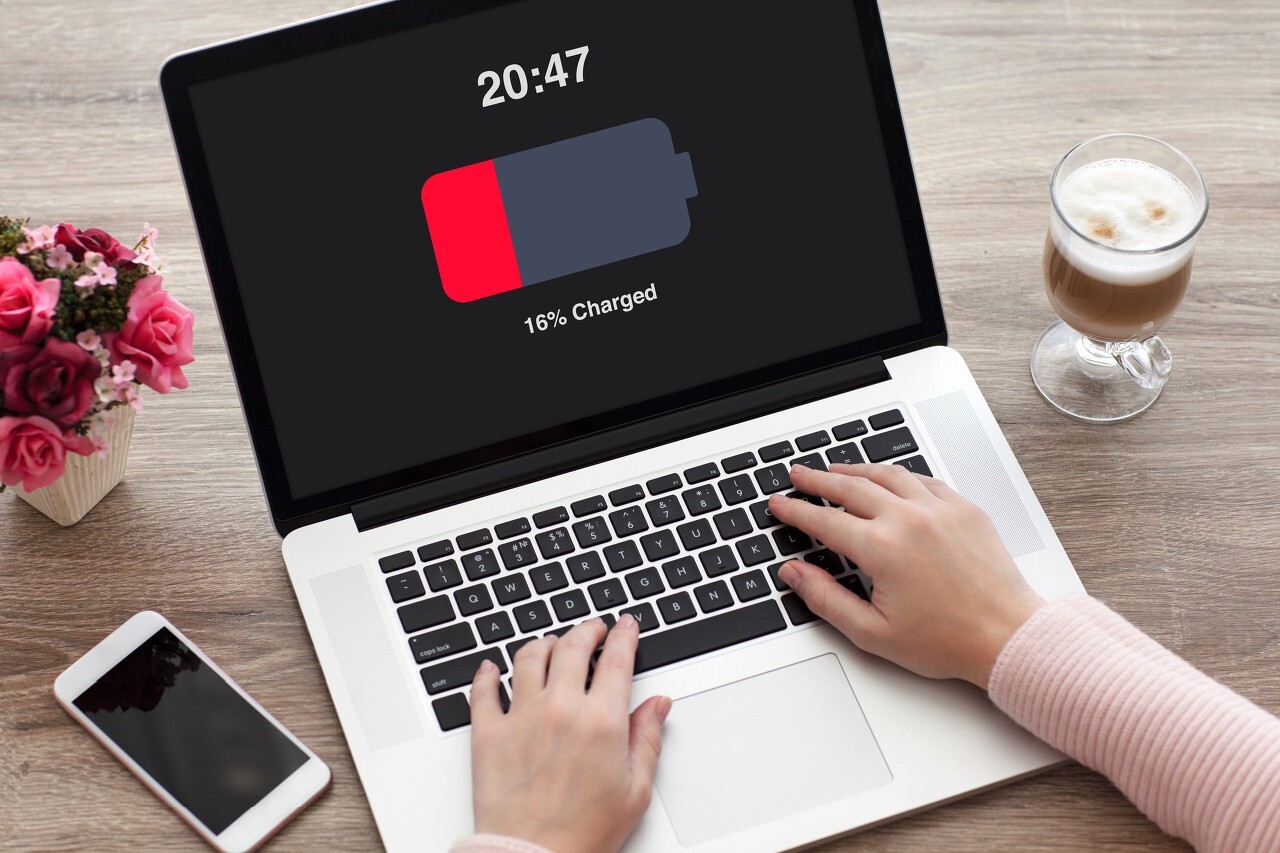
The European Union is at the forefront when it comes to consumer rights and sustainability. A new regulation has recently been announced that will require smartphones sold in the EU to be equipped with user-replaceable batteries by 2027. This measure is likely to bring significant benefits for users and for the environment.
Let’s look at the details of this new regulation and the impact it will have on the smartphone market.
Users’ right to replaceable batteries
The new EU regulation is a direct response to users’ concerns about the battery life of modern smartphones. Many current devices are fitted with non-removable batteries, which means that when the battery is worn out, the user is forced to replace the entire device. This situation is not only inconvenient, it also generates a considerable amount of electronic waste.
Under the new regulation, manufacturers will be required to design smartphones with batteries that users can easily replace themselves. Users will then only need to change the battery when necessary, which will extend the life of the device and reduce the premature scrapping of smartphones.
Benefits for users
Being able to replace a smartphone battery has several direct benefits for users. Firstly, it means users will be able to keep their devices for longer, avoiding the need to buy a new smartphone every time the battery is exhausted. In addition, replacing the battery can be a more cost-effective solution than buying a new device.
Another benefit is greater flexibility and convenience. With replaceable batteries, users will be able to charge a spare battery and swap it when needed, which is particularly useful when travelling or in situations where it is not allowed or not possible to connect a device to another power source.
Sustainability and reduction of electronic waste
The introduction of this new regulation also brings significant environmental benefits. By allowing users to replace only the batteries in their smartphones, we will reduce the amount of electronic waste produced. This helps lessen the impact on the environment and promotes a circular economy, in which products are designed to last longer and are easier to repair.
The new EU regulation requiring user-replaceable batteries in smartphones by 2027 is an important step towards better protection of consumer rights and greater sustainability. This measure will allow users to have more control over the lifespan of their devices, save money and reduce electronic waste. As the deadline approaches, we should see a major shift in the design and options available on the smartphone market.
European battery legislation convinces Europe
In an official press release, the European Parliament reported on the latest changes to EU rules governing the sustainable use of batteries in electronic devices.
The legislation has been approved by MEPs, pending adoption as law. As we read in the statement, the law is now only a few steps away from coming into force: it simply needs to be formalised and published in the Official Journal of the European Union, after which it will apply.
This regulation, which is now close to becoming reality, received 587 votes in favour, 9 against and 20 abstentions, clearly showing that everyone is pulling in the same direction. Europe aims to cover the entire lifecycle of batteries: from their design to the moment they are disposed of.
To this end, it sets out a series of measures to be considered, focusing on batteries in different products such as electric cars.
